
Blanco Pruning Services
With years of experience and a passion for plant health, our skilled team delivers precise, professional pruning that promotes stronger growth, enhances curb appeal, and keeps your landscape looking its absolute best — trust Blanco to care for your trees and shrubs the right way.
Our Blanco Landscaping & Yard Care Services
When to Schedule Pruning in Blanco, Texas – Seasonal Guide
In Blanco, Texas, timing your pruning services is crucial for maintaining healthy trees and shrubs, especially given the region’s unique Hill Country climate. The optimal periods for pruning are typically late winter through early spring, just before new growth begins. This timing helps minimize plant stress and reduces the risk of disease, as most trees and shrubs are dormant and less susceptible to pests. Local weather patterns—such as the risk of late frosts in neighborhoods near Bindseil Park or the Blanco River—should be considered, as pruning too early can expose tender growth to cold snaps.
Environmental factors like drought risk, high summer humidity, and the rocky, well-drained soils common in areas like River Oaks and Twin Sisters Ranches also play a role in determining the best pruning schedule. Shade coverage from mature oaks, municipal guidelines, and even recent precipitation levels can influence when and how much to prune. For more information on local regulations and best practices, visit the official municipal resource.
Local Factors to Consider for Pruning in Blanco
- Tree and shrub density in your yard
- Terrain and soil type (rocky vs. loamy)
- Average precipitation and drought conditions
- Frost dates and risk of late cold snaps
- Shade coverage from mature trees
- Municipal restrictions or neighborhood guidelines
- Proximity to landmarks like Bindseil Park or the Blanco River
Benefits of Pruning in Blanco
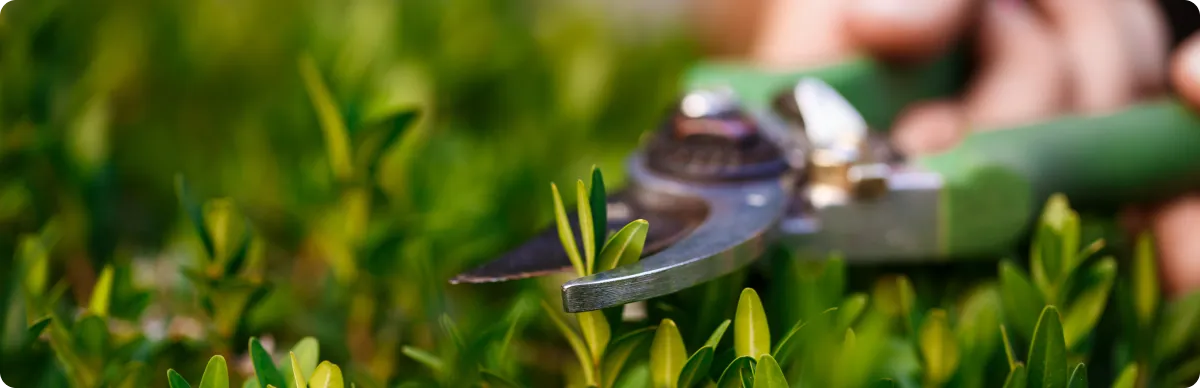
Healthier Trees & Shrubs Year-Round
Enhanced Curb Appeal for Your Property
Improved Sunlight & Air Circulation
Prevention of Disease & Pest Infestations
Safe Removal of Dead or Hazardous Branches
Boosted Property Value in Blanco
Blanco Pruning Types

Crown Thinning
-
Crown Raising
-
Crown Reduction
-
Deadwooding
-
Topiary Pruning
-
Structural Pruning
-
Rejuvenation Pruning
Our Pruning Process
Tree & Shrub Inspection
Identify Dead or Overgrown Branches
Select Proper Pruning Technique
Precision Cutting & Shaping
Debris Cleanup & Disposal
Why Choose Blanco Landscape Services
Blanco Homeowners Trust Us
-
Years of Landscape Expertise
-
Competitive & Transparent Pricing
-
Licensed & Professional Team
-
100% Satisfaction Guarantee
-
Personalized Service for Every Property
-
Reliable & On-Time Service
-
Locally Owned & Operated in Blanco
Coordinating Pruning Services with Blanco's Streets and Parks Department
Property owners in Blanco should coordinate pruning activities with municipal operations, particularly when work involves trees or shrubs adjacent to public rights-of-way, sidewalks, or city-maintained park areas. The City of Blanco Streets and Parks Department oversees street-side vegetation clearance and public landscape maintenance, and residents should verify whether pruning along roadways or near municipal infrastructure requires notification or coordination with city staff. Brush and woody debris generated from pruning must be handled according to local disposal guidelines; property owners should confirm current collection procedures and accepted bundling requirements directly with the city before placing material curbside.
- Verify right-of-way boundaries before pruning trees that overhang streets or sidewalks
- Confirm brush disposal and pickup procedures with the city prior to large pruning projects
- Coordinate timing with city crews if pruning near public parks or trail corridors
City of Blanco Streets and Parks
Official Website: City of Blanco Streets and Parks
How Blanco's Hill Country Limestone Soils and Heat Affect Pruning
Blanco sits squarely in the Central Texas Hill Country, classified within USDA Hardiness Zone 8b according to the USDA Plant Hardiness Zone Map. The region's limestone-derived, calcareous soils are typically shallow and alkaline, which directly influences the species palette and growth patterns that determine pruning needs. Trees such as live oak, Texas red oak, Ashe juniper, and pecan are prevalent, each responding differently to pruning cuts and seasonal timing.
- Alkaline, rocky soils limit root depth for many species, making structural pruning critical to reduce wind-load stress on shallow root systems
- Summer temperatures regularly exceed 100°F, and pruning wounds made during peak heat expose cambium tissue to desiccation and sunscald
- Drought cycles are common; trees under moisture stress are more vulnerable to disease entry through fresh cuts, and the Blanco-Pedernales Groundwater Conservation District monitors regional water availability that affects irrigation-dependent landscapes
- Flash flooding along the Blanco River and local drainages can damage low-hanging branches, creating urgent deadwood removal needs after storm events
Navigating Blanco's Zoning Code and Compliance Requirements for Pruning
Pruning on private property in Blanco may intersect with municipal code provisions, particularly where vegetation affects sight triangles at intersections, encroaches into public easements, or falls within zoning overlay areas. The City of Blanco Zoning Regulations address land-use standards that can include screening and buffer requirements where trees and shrubs serve as required landscape elements. Removing or heavily reducing such vegetation through aggressive pruning could trigger a code compliance issue. Property owners should verify current requirements with the Community Development Department before undertaking significant canopy reduction.
- Pruning that eliminates required screening vegetation may conflict with zoning buffer standards
- Sight-triangle clearance along roadways is a common municipal concern; verify minimum clearance heights with city staff
- Any pruning involving pesticide application for disease management on cut surfaces must be performed by or under the supervision of a Texas Department of Agriculture licensed applicator
- Oak wilt is a serious concern in Central Texas; the Texas A&M Forest Service recommends avoiding pruning oaks during the high-risk transmission window, generally February through June, and immediately sealing all oak pruning wounds regardless of season
City of Blanco Community Development
Official Website: City of Blanco Community Development
Timing Pruning Around Blanco's Drought, Freeze, and Oak Wilt Seasons
Professional pruning standards in the Hill Country require careful attention to seasonal windows that differ by species and site conditions. Structural and corrective pruning for most deciduous hardwoods is best performed during winter dormancy, typically December through early February, when trees are leafless and wound closure begins promptly with spring growth. However, live oaks and red oaks demand special consideration due to the prevalence of oak wilt (Ceratocystis fagacearum) in Central Texas.
- Live oaks and red oaks: Avoid pruning from February through June when the nitidulid beetles that spread oak wilt fungal mats are most active; if emergency pruning is necessary, seal wounds immediately with latex-based wound paint
- Ashe juniper (cedar): Can be pruned or selectively removed year-round, though late summer work reduces interference with nesting golden-cheeked warblers in sensitive habitat areas
- Pecan trees: Prune during dormancy; avoid heavy cuts after bud break to prevent excessive sap bleeding and stress
- Deadwood removal: Safe to perform at any time of year and should be prioritized before severe weather season, which peaks from April through June in Central Texas
- Crape myrtles: Light pruning of spent flower clusters and crossing branches is appropriate in late winter; excessive topping, commonly called "crape murder," weakens structure and should be avoided
All pruning cuts should follow ANSI A300 standards, cutting just outside the branch collar without leaving stubs or flush cuts. Proper technique promotes compartmentalization and reduces disease entry, which is especially important given Blanco's hot, dry conditions that slow wound closure.
What Neighborhoods Do We Serve Throughout Blanco, TX?
- Downtown Blanco / Blanco Square area — Mature live oaks and pecan trees on older residential lots often require structural pruning and deadwood removal to protect historic structures and maintain sidewalk clearance along narrow streets.
- River's Edge and Blanco River corridor properties — Homes near the Blanco River frequently need storm-damage pruning and canopy management to address flood-debris impacts and maintain drainage flow.
- Blanco Trails — Newer subdivision lots with young ornamental and shade trees benefit from formative pruning to establish strong branch architecture early in the tree's life.
- Rural acreage along US 281 and RR 165 — Large-lot properties with mixed juniper, oak, and mesquite stands require selective pruning for wildfire fuel reduction and improved air circulation through dense canopy.
- Hillside properties west of town — Steep terrain and shallow limestone soils create wind-exposed conditions where structural pruning reduces the risk of limb failure during high-wind events.