
Blanco Hedging Services
With years of experience and a commitment to precision, Blanco Hedging Services delivers beautifully shaped, healthy hedges that enhance your property's curb appeal, privacy, and value — trusted by homeowners who demand nothing but the best.
Our Blanco Landscaping & Yard Care Services
When to Schedule Hedging in Blanco, Texas – Seasonal Guide
In Blanco, Texas, timing your hedging services is crucial for maintaining healthy, attractive landscapes. The region’s unique climate—marked by hot summers, mild winters, and variable rainfall—means that the best periods for hedging are typically late winter through early spring, before new growth begins. This allows shrubs and hedges to recover quickly and flourish as temperatures rise. Local neighborhoods like River Ridge and the areas surrounding Bindseil Park often experience microclimates, so it’s important to consider your property’s specific conditions.
Environmental factors such as late spring frost dates, periods of drought risk, and the prevalence of limestone-rich soils all play a role in determining the optimal hedging schedule. Properties near the Blanco River may have higher humidity and shade coverage, which can affect plant growth and recovery. For more information on local climate patterns and municipal guidelines, consult resources like the Sudbury town website.
Local Factors to Consider for Hedging in Blanco
- Tree density and proximity to natural areas
- Terrain slope and soil drainage
- Seasonal precipitation and drought risk
- Municipal restrictions or neighborhood association guidelines
- Shade coverage from mature oaks or pecans
- Timing of local frost dates and heatwaves
Benefits of Hedging in Blanco
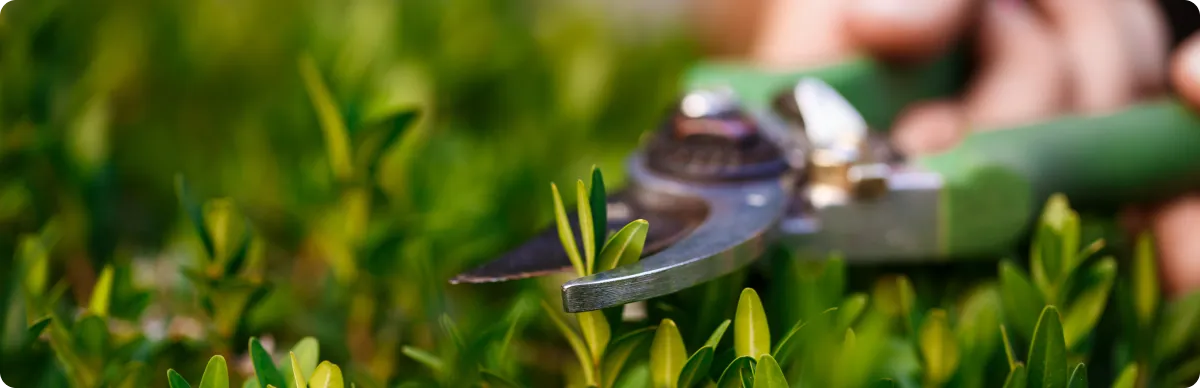
Professional Hedge Trimming & Shaping
Enhanced Curb Appeal for Your Property
Year-Round Privacy & Wind Protection
Experienced Local Landscaping Experts
Affordable Hedging Solutions in Blanco
Eco-Friendly & Sustainable Landscaping Practices
Blanco Hedging Types

Box Hedging
-
Privet Hedging
-
Laurel Hedging
-
Yew Hedging
-
Beech Hedging
-
Leylandii Hedging
-
Holly Hedging
Our Hedging Process
Site Survey & Hedge Assessment
Species & Style Selection
Ground Preparation
Planting & Positioning
Shaping & Trimming
Aftercare & Maintenance Plan
Why Choose Blanco Landscape Services
Blanco Homeowners Trust Us
-
Years of Landscape Expertise
-
Competitive & Transparent Pricing
-
Licensed & Professional Team
-
100% Satisfaction Guarantee
-
Personalized Service for Every Property
-
Reliable & On-Time Service
-
Locally Owned & Operated in Blanco
Coordinating Hedge Maintenance with Blanco's Streets, Parks, and Public Works Departments
Property owners in Blanco should coordinate hedging activities with municipal departments when hedge growth encroaches on public rights-of-way, sidewalks, or street sight lines. The City of Blanco Streets and Parks department oversees maintenance standards along public corridors, and hedges that obstruct pedestrian paths or vehicle visibility at intersections may trigger code compliance review. Green waste generated from hedging projects—including clippings, branches, and woody debris—must be managed according to city disposal guidelines. Residents should verify current brush and green waste collection procedures with Public Works before placing material curbside.
- Confirm whether hedge trimmings qualify for curbside brush pickup or require separate hauling
- Ensure hedges along street frontages do not block traffic signs, fire hydrants, or utility access points
- Contact Community Development for guidance if hedging work is part of a larger site improvement or development project
City of Blanco Streets and Parks
Official Website: City of Blanco Streets and Parks
City of Blanco Public Works and Utilities
Official Website: City of Blanco Public Works and Utilities
How Blanco's Hill Country Limestone Soils and Heat Affect Hedge Health
Blanco sits in the Central Texas Hill Country, classified within USDA Hardiness Zone 8b, where conditions directly influence hedge species selection and maintenance cycles. The region's soils are predominantly limestone-derived, alkaline, and often shallow over bedrock, which limits root depth for many hedge species and affects nutrient availability—particularly iron and manganese. According to the USDA Web Soil Survey, much of the Blanco area features calcareous clay and rocky substrates that drain quickly but retain limited moisture during extended dry periods.
- Summer temperatures regularly exceed 100°F, intensifying transpiration stress on dense hedge foliage and increasing irrigation demand
- Alkaline soil pH (commonly 7.5–8.2) can cause chlorosis in acid-loving species; yaupon holly, Texas sage, and wax myrtle are better adapted to local conditions
- Rainfall averages roughly 32–34 inches annually but arrives unevenly, with prolonged dry stretches from June through September requiring supplemental irrigation for newly shaped hedges
- The Blanco River corridor and adjacent drainages create localized frost pockets during winter, which can damage tender hedge species following late-season pruning
The Blanco-Pedernales Groundwater Conservation District provides resources on water availability that may affect irrigation planning for hedge establishment and recovery.
Navigating Blanco's Zoning and Compliance Standards for Hedge Installations
Hedge placement and height in Blanco may be subject to municipal zoning provisions, particularly along property frontages, corner lots, and within required setback areas. The City of Blanco Zoning Regulations address land-use standards that can include screening requirements, visibility triangle restrictions at intersections, and fence-equivalent height limitations for living barriers. Property owners should verify current requirements with the Community Development department before installing or significantly altering hedges in these zones.
- Corner-lot hedges near street intersections are commonly subject to height restrictions to preserve driver sight lines; confirm applicable thresholds through the city's zoning code
- Hedges used as screening along commercial or multifamily property boundaries may need to meet specific density or height criteria under site-plan conditions
- Any chemical treatments applied to hedges—including fungicides or insecticides—must comply with Texas Agriculture Code, Chapter 76, and commercial applicators must hold valid licensing through the Texas Department of Agriculture
City of Blanco Community Development
Official Website: City of Blanco Community Development
Timing Hedging Cycles Around Blanco's Drought, Heat, and Freeze Seasons
Professional hedging in Blanco's Hill Country climate requires careful timing to avoid stressing plants during vulnerable periods. The primary shaping window for most warm-adapted hedge species—such as yaupon holly, Texas privet, and Elaeagnus—falls between late February and early May, when active growth supports rapid wound closure and new foliage development. A secondary light shaping can occur in early fall once temperatures moderate, typically after mid-September.
- Avoid heavy hedging from mid-June through August; open cuts during peak heat accelerate moisture loss and invite sunscald on interior branches suddenly exposed to direct light
- Do not shape hedges within four to six weeks before the average first freeze date (typically late November in Blanco County), as new growth stimulated by pruning is highly frost-susceptible
- Maintain hedges slightly wider at the base than at the top to allow sunlight penetration to lower branches, preventing interior dieback common in dense Hill Country plantings
- Irrigate hedges deeply two to three days before and after significant shaping to support recovery; coordinate watering with any active drought-stage restrictions issued by the City of Blanco Water Department
- Sanitize cutting tools between properties and between species to reduce transmission of fungal pathogens, which thrive in humid spring conditions
The Texas A&M Forest Service offers additional species-specific guidance on pruning tolerances for native and adapted shrubs used in Hill Country hedgerows.
What Neighborhoods Do We Serve Throughout Blanco, TX?
- Downtown Blanco — Properties near the historic square often feature mature hedges along older lot lines with shallow limestone soils requiring careful root-zone management during shaping
- Blanco River Estates — Larger lots adjacent to the Blanco River corridor may have hedges serving as windbreaks or privacy screens, with irrigation access varying by well or municipal water source
- Blanco Heights — Elevated terrain in this area increases sun and wind exposure on hedges, demanding drought-tolerant species and more frequent monitoring after shaping
- Ranch Road 165 Corridor — Rural-residential properties along this corridor often use native hedge species like agarito and Texas sage that tolerate rocky, alkaline soils with minimal supplemental water
- US 281 South Residential Areas — Newer residential development along this highway features smaller lots where hedge placement near property lines and driveways requires attention to visibility and setback compliance