
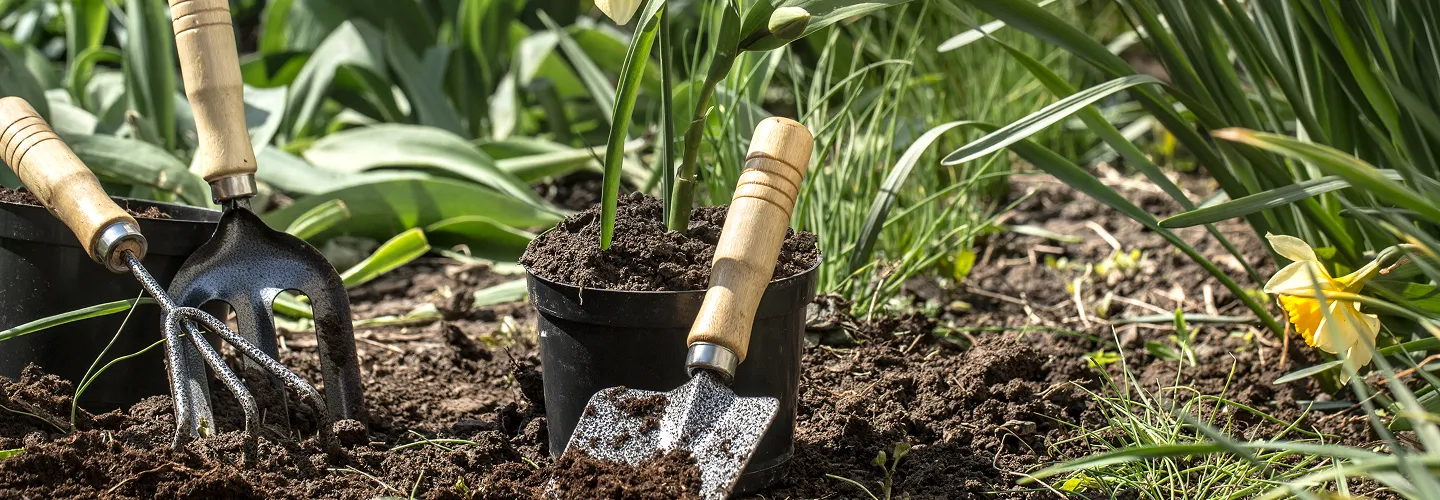
Blanco Flower Bed Maintenance Services
With years of expertise and a passion for vibrant landscapes, our dedicated team delivers meticulous flower bed care — from weeding and mulching to seasonal planting and soil enrichment — ensuring your garden stays lush, healthy, and stunning all year round.
Our Blanco Landscaping & Yard Care Services
When to Schedule Flower Bed Maintenance in Blanco, Texas – Seasonal Guide
In Blanco, Texas, timing your flower bed maintenance is crucial for vibrant, healthy landscapes. The region’s unique climate—marked by hot, dry summers and mild winters—means that the best periods for maintenance are typically early spring and late fall. These windows allow you to prepare beds before the intense summer heat or recover them after the growing season, ensuring plants are resilient and soil conditions are optimal. Local neighborhoods like River Ridge and the historic downtown area often experience microclimates due to varying shade coverage and proximity to the Blanco River, which can influence when and how often maintenance is needed.
Environmental factors such as late spring frost dates, periodic drought risk, and the area’s calcareous clay soils play a significant role in scheduling. For example, properties near Bindseil Park may benefit from earlier spring cleanups due to increased shade and moisture retention, while homes on higher ground might need more frequent checks for soil erosion. Staying informed about municipal watering restrictions and local weather updates—such as those provided by the Sudbury town website—can help you plan maintenance activities more effectively.
Local Factors to Consider for Flower Bed Maintenance in Blanco
- Tree density and shade coverage, especially in neighborhoods like River Ridge
- Soil type and drainage, with calcareous clay being common
- Average precipitation and risk of drought during summer months
- Frost dates, typically late March to early April
- Terrain variations, including sloped yards near the Blanco River
- Municipal watering restrictions and seasonal guidelines
Benefits of Flower Bed Maintenance in Blanco
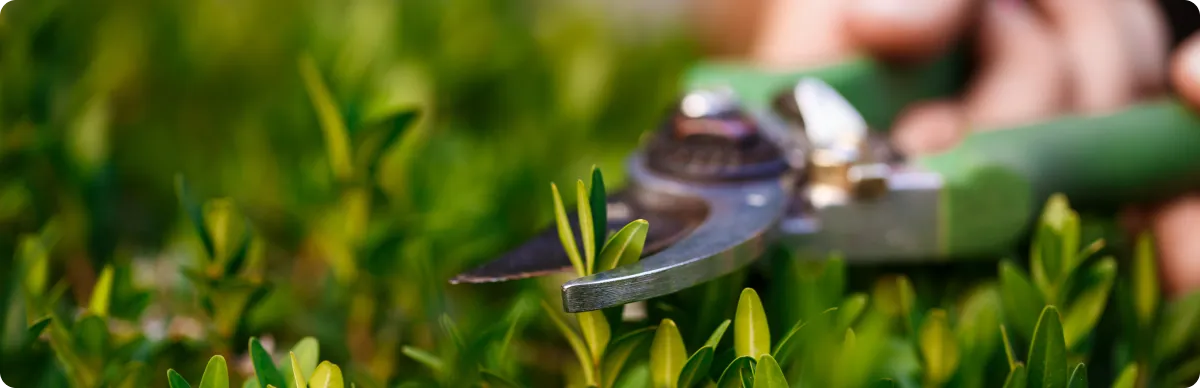
Professional Flower Bed Care in Blanco
Enhanced Curb Appeal Year-Round
Weed-Free & Healthy Garden Beds
Expert Landscaping Knowledge & Experience
Affordable Maintenance Plans in Blanco
Reliable & Consistent Landscaping Service
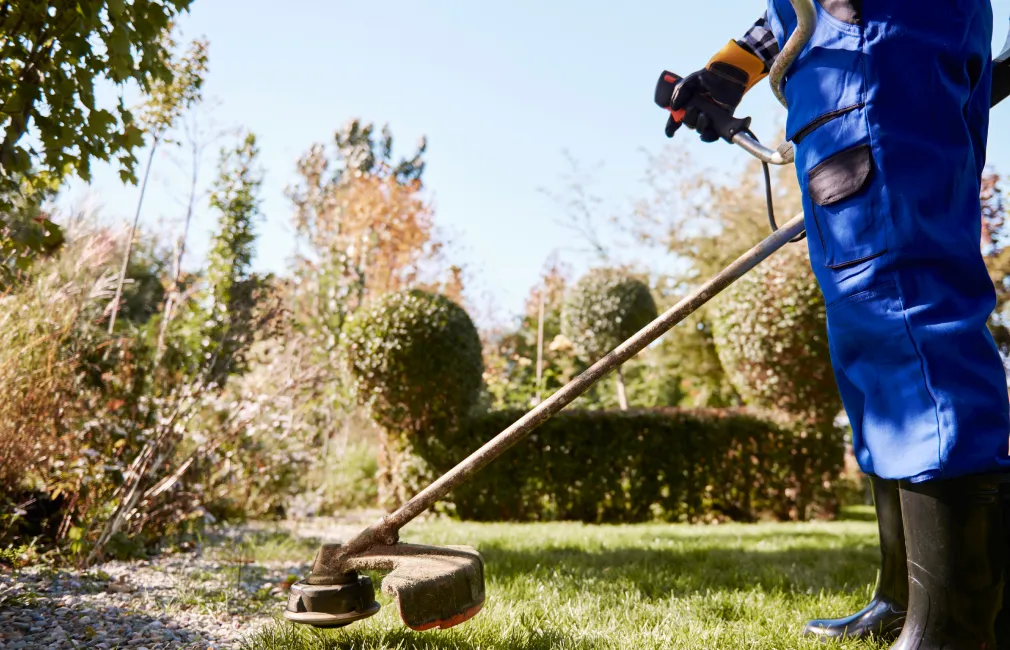
Blanco Flower Bed Maintenance Types

Seasonal Flower Bed Planting
-
Mulching & Soil Amendment
-
Weed Control & Prevention
-
Flower Bed Edging & Borders
-
Pruning & Deadheading
-
Irrigation & Drainage Solutions
-
Pest & Disease Management
Our Flower Bed Maintenance Process
Soil Preparation & Assessment
Weed Removal & Cleanup
Plant Selection & Placement
Mulching & Edging
Watering & Fertilization
Why Choose Blanco Landscape Services
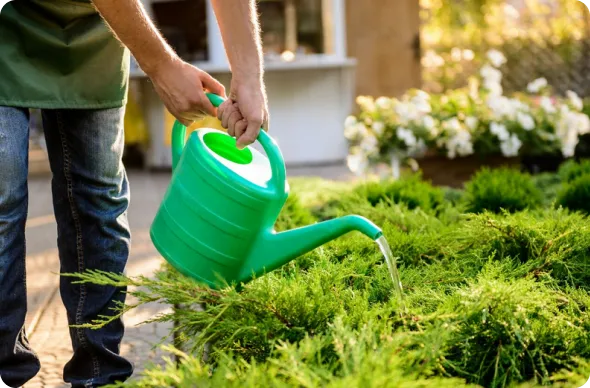
Blanco Homeowners Trust Us
-
Years of Landscape Expertise
-
Competitive & Transparent Pricing
-
Licensed & Professional Team
-
100% Satisfaction Guarantee
-
Personalized Service for Every Property
-
Reliable & On-Time Service
-
Locally Owned & Operated in Blanco
Coordinating Flower Bed Maintenance with Blanco's Municipal Streets and Parks Services
Flower bed maintenance in Blanco requires awareness of municipal operations that affect residential and commercial landscapes. The City of Blanco Streets and Parks Department oversees public landscape areas, rights-of-way, and park corridors where bed maintenance activities may intersect with city infrastructure. Property owners maintaining flower beds adjacent to public sidewalks, drainage easements, or street frontages should verify that organic debris, soil amendments, and irrigation runoff do not encroach into municipal drainage paths or roadside ditches. Green waste generated from bed cleanups—including spent annuals, pulled weeds, and trimmed perennials—must be handled according to local disposal guidelines. Residents should confirm current collection procedures directly with the city before placing organic material curbside.
- Verify that bed maintenance debris does not block curb inlets or roadside drainage channels
- Confirm green waste disposal and pickup procedures with the city before scheduling large seasonal cleanups
- Coordinate irrigation schedules with any active municipal water conservation directives
City of Blanco Streets and Parks
Official Website: City of Blanco Streets and Parks
City of Blanco Water Department
Official Website: City of Blanco Water Department
How Blanco's Hill Country Limestone Soils Shape Flower Bed Performance
Blanco sits within the Central Texas Hill Country, classified in USDA Hardiness Zone 8b, where flower bed maintenance is shaped by alkaline limestone-derived soils, intense summer heat, and variable rainfall. The region's shallow, calcareous soils drain rapidly but often lack organic matter, creating challenges for moisture retention around bedding plants. Summer temperatures regularly exceed 100°F, and reflected heat from limestone rock and caliche surfaces intensifies stress on shallow-rooted annuals and perennials. The Blanco River corridor and surrounding Hill Country terrain introduce slope and drainage variability across residential lots, meaning flower beds on sloped properties face accelerated soil erosion and mulch displacement during heavy rain events.
- Soil alkalinity: Limestone-derived soils typically register pH levels above 7.5, which can limit iron and nutrient uptake in acid-loving species such as azaleas or gardenias
- Rapid drainage: Thin topsoil over fractite limestone means beds dry out quickly, increasing irrigation dependence during drought periods
- Flash-flood exposure: Properties near the Blanco River or low-lying creek crossings may experience sudden inundation that displaces mulch, washes out plantings, and deposits sediment into beds
- Groundwater sensitivity: The Blanco-Pedernales Groundwater Conservation District manages aquifer resources in the area, and excessive irrigation or chemical runoff from flower beds can affect local groundwater quality
Navigating Blanco's Zoning and Environmental Rules for Flower Bed Maintenance
Flower bed maintenance in Blanco operates within a regulatory framework that includes municipal zoning provisions, state pesticide law, and stormwater protection standards. The City of Blanco Zoning Regulations may include property appearance and land-use provisions that affect how beds are maintained along street frontages and in visible common areas. Any commercial applicator using herbicides or pesticides in flower beds must hold a valid license through the Texas Department of Agriculture under Texas Agriculture Code, Chapter 76. Fertilizer applications are governed by Texas Agriculture Code, Chapter 63, and care should be taken to prevent granular or liquid fertilizer from reaching storm drains, creek channels, or the Blanco River.
- Herbicide drift from flower bed weed control must be managed to avoid damage to neighboring properties and waterways
- Fertilizer and soil amendment runoff should be contained within bed borders using edging, berms, or mulch barriers
- Verify current property maintenance and appearance standards with the city's Community Development office before making significant changes to front-facing beds
City of Blanco Community Development
Official Website: City of Blanco Community Development
Timing Flower Bed Maintenance Around Blanco's Drought and Freeze Cycles
Professional flower bed maintenance in Blanco follows seasonal timing dictated by the Hill Country's climate extremes. Spring bed preparation—including soil amendment, mulch replenishment, and warm-season planting—should begin after the last frost risk, typically in mid-to-late March. Summer maintenance centers on irrigation management through drip emitters or soaker hoses, deadheading spent blooms, and suppressing weed flushes that follow sporadic rainfall. Fall offers a second planting window for cool-season annuals such as pansies, snapdragons, and ornamental kale, with bed cleanup and mulch top-dressing completed before the first hard freeze. The Texas A&M AgriLife Extension provides region-specific planting calendars that align with Central Texas conditions.
- Spring (March–May): Amend beds with comite or expanded shale to improve moisture retention in limestone soils; install warm-season annuals and perennials after frost danger passes
- Summer (June–August): Maintain 3–4 inches of hardwood or native mulch to moderate soil temperature; irrigate beds during early morning hours to reduce evaporation loss; remove spent flowers to encourage continued blooming
- Fall (September–November): Transition beds to cool-season color; apply pre-emergent weed control before winter annual weeds germinate; replenish mulch displaced by summer storms
- Winter (December–February): Protect tender perennial root zones with additional mulch; remove freeze-damaged foliage only after new growth confirms plant viability in spring
What Neighborhoods Do We Serve Throughout Blanco, TX?
- Downtown Blanco: Historic properties near the Blanco County Courthouse Square often feature established flower beds with mature plantings that require careful seasonal rotation and irrigation management in compact lot settings.
- Blanco River Corridor: Homes along the Blanco River face periodic flooding risk and elevated humidity near the waterway, requiring erosion-resistant bed designs and mulch anchoring strategies.
- US-281 Corridor Developments: Newer residential properties along the US-281 corridor may have recently graded lots with thin topsoil over limestone, demanding significant soil amendment before beds can sustain healthy plantings.
- Ranch Road 165 Area: Rural-residential lots west of town tend toward larger acreage with native Hill Country vegetation, where flower beds benefit from drought-adapted species and low-volume drip irrigation.
- Bindseil Park Vicinity: Properties near Bindseil Park share proximity to public green space and may coordinate bed aesthetics with neighborhood landscape patterns and municipal park standards.