
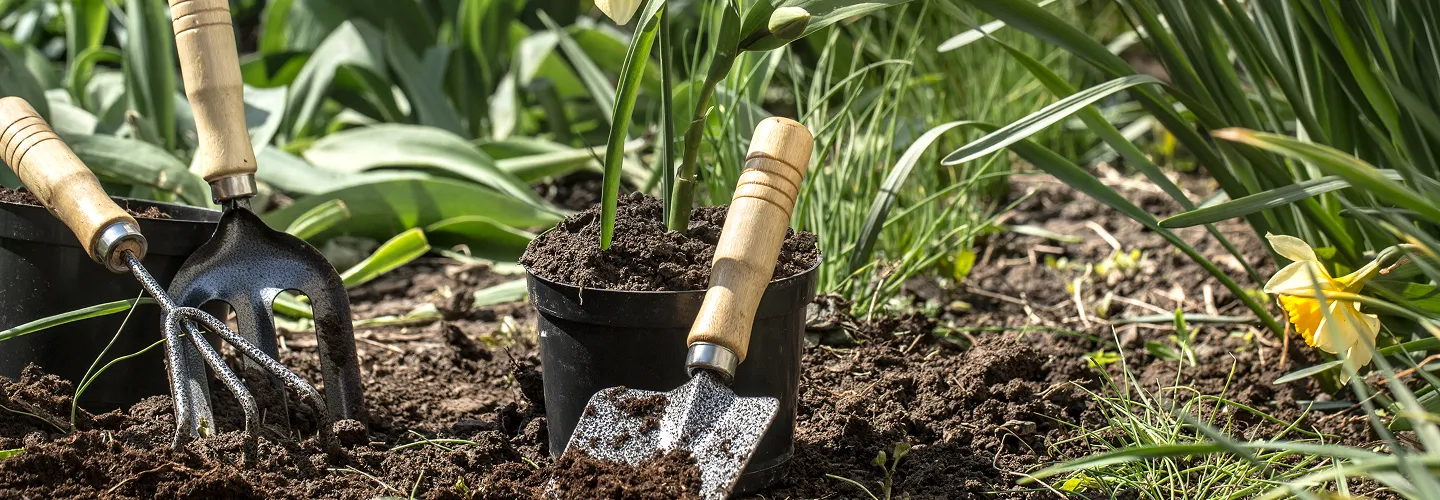
Blanco Flower Planting Services
With years of expertise, a passion for vibrant blooms, and a commitment to personalized care, our flower planting professionals ensure your garden thrives with stunning, long-lasting beauty tailored to your unique vision and landscape.
Our Blanco Landscaping & Yard Care Services
When to Schedule Flower Planting in Blanco, Texas – Seasonal Guide
In Blanco, Texas, timing your flower planting is crucial for vibrant, long-lasting blooms. The region’s climate features mild winters and hot, dry summers, making early spring and late fall the most favorable periods for planting. Local neighborhoods like River Ridge and the historic downtown area often see residents preparing their gardens as soon as the last frost passes, typically in late February or early March. This timing allows flowers to establish strong roots before the intense summer heat arrives.
Blanco’s unique environmental factors—such as variable soil types, ranging from rocky limestone to rich alluvial deposits, and the risk of late spring frosts—require careful planning. Areas near Blanco State Park or along the Blanco River may experience higher humidity and occasional flooding, while neighborhoods with dense oak and cedar trees, like those near Gem of the Hills Community Center, offer more shade but may limit sunlight for certain flower varieties. For more information on local planting guidelines and municipal considerations, visit the official Sudbury resource.
Local Factors to Consider for Flower Planting in Blanco
- Proximity to Blanco River and risk of seasonal flooding
- Tree density and available sunlight in neighborhoods like River Ridge
- Soil composition (limestone vs. alluvial)
- Average precipitation and drought risk during summer months
- Local frost dates (typically late February)
- Municipal restrictions or water usage guidelines
- Terrain slope and drainage, especially in hillside areas
Benefits of Flower Planting in Blanco
Expert Local Flower Planting Services
Custom Garden Designs for Blanco Homes
Drought-Resistant Plant Selection
Year-Round Landscape Maintenance
Affordable Landscaping Solutions
Licensed & Insured Landscaping Professionals
Blanco Flower Planting Types

Annual Flower Planting
-
Perennial Flower Beds
-
Seasonal Color Installation
-
Native Wildflower Planting
-
Container & Raised Bed Flowers
-
Pollinator Garden Design
-
Ornamental Bulb Planting
Our Flower Planting Process
Site Evaluation
Soil Preparation
Flower Selection
Planting & Spacing
Mulching & Watering
Why Choose Blanco Landscape Services
Blanco Homeowners Trust Us
-
Years of Landscape Expertise
-
Competitive & Transparent Pricing
-
Licensed & Professional Team
-
100% Satisfaction Guarantee
-
Personalized Service for Every Property
-
Reliable & On-Time Service
-
Locally Owned & Operated in Blanco
Coordinating Flower Planting Projects with Blanco's Municipal Parks and Streets Department
Flower planting on residential and commercial properties in Blanco requires awareness of municipal infrastructure, particularly where landscaping borders public rights-of-way, sidewalks, or drainage corridors. The City of Blanco Streets and Parks Department oversees maintenance of public landscape areas and can advise property owners on setback expectations and planting near city-maintained zones. Before installing flower beds adjacent to street frontage or public easements, residents should verify that plantings will not obstruct drainage flow, sight lines at intersections, or utility access points.
- Confirm that new flower beds do not encroach into public rights-of-way or utility easements
- Avoid directing irrigation runoff from planting areas into street gutters or storm inlets
- Coordinate with the city if planting near parks, trail corridors, or public greenbelts
City of Blanco Streets and Parks
Official Website: City of Blanco Streets and Parks
Property owners planning larger-scale flower installations tied to site development or land-use changes should also consult the City of Blanco Community Development office for guidance on any applicable review processes.
How Blanco's Hill Country Limestone Soils and Heat Shape Flower Planting
Blanco sits squarely in the Central Texas Hill Country, where site conditions present distinct challenges for flower planting. The city falls within USDA Hardiness Zone 8b, characterized by mild winters with occasional hard freezes and prolonged summer heat that regularly exceeds 100°F. Soils in the Blanco area are predominantly shallow, alkaline, and limestone-derived, often with caliche layers that restrict root penetration and limit water retention. The Blanco River and its tributaries influence local drainage patterns, and properties near floodplain areas may experience periodic saturation followed by rapid drying.
- Alkaline pH: Most Hill Country soils register pH levels between 7.5 and 8.2, which limits iron and nutrient availability for acid-loving species; soil amendments such as sulfur or iron chelates may be necessary for certain flower varieties
- Shallow bedrock: Limestone outcrops and thin topsoil layers are common, requiring raised beds or imported planting mix on many lots
- Drought and aridity: Annual rainfall in Blanco County averages roughly 32–34 inches, with extended dry periods from June through September that demand efficient irrigation or drought-adapted species
- Freeze exposure: While winters are generally mild, periodic ice events and late-spring cold snaps can damage tender annuals planted too early
Residents can review local soil characteristics through the USDA Web Soil Survey to better understand drainage and depth limitations on their specific parcels.
Navigating Blanco's Zoning Code and Water Rules for Flower Planting Compliance
Flower planting in Blanco is subject to several regulatory layers that property owners and managers should understand before beginning work. The city's zoning regulations may include provisions related to landscaping standards, screening requirements, and frontage appearance in certain zoning districts. Property owners should verify current requirements with the Community Development office, particularly for commercial properties or lots within overlay zones.
Water use is a critical compliance consideration. The City of Blanco Water Department administers municipal water service, and irrigation for newly planted flower beds must comply with any active drought-stage restrictions or watering schedules. The Blanco-Pedernales Groundwater Conservation District manages groundwater resources in the region, and properties relying on wells for irrigation should confirm that usage aligns with district rules.
- Review zoning district landscaping standards before installing flower beds on commercial or multifamily properties
- Comply with municipal watering restrictions during drought stages, which may limit irrigation days and hours
- Ensure that fertilizer and soil amendment runoff does not reach the Blanco River or its tributaries, consistent with Clean Water Act protections
- Any pesticide or herbicide application in flower beds must be performed by individuals holding appropriate credentials under the Texas Department of Agriculture's pesticide licensing program
City of Blanco Water Department
Official Website: City of Blanco Water Department
Blanco-Pedernales Groundwater Conservation District
Official Website: Blanco-Pedernales Groundwater Conservation District
Timing and Methods for Flower Planting in Blanco's Central Texas Climate
Successful flower planting in Blanco depends on aligning species selection, soil preparation, and installation timing with the region's climate patterns. The Hill Country's bimodal rainfall pattern—with peaks in spring and early fall—creates two primary planting windows that professionals and residents should target.
- Spring planting window: Late February through mid-April is ideal for warm-season annuals such as lantana, zinnias, pentas, and salvias, provided the risk of hard freeze has passed; monitoring National Weather Service forecasts for late-season cold fronts is essential
- Fall planting window: Mid-September through late October allows establishment of cool-season annuals like pansies, violas, snapdragons, and ornamental kale before winter dormancy
- Soil preparation: Amend alkaline limestone-derived soils with compost and expanded shale to improve moisture retention and root zone depth; raised beds with imported planting mix are advisable where bedrock is within 6–12 inches of the surface
- Irrigation setup: Drip emitters or soaker hoses are strongly preferred over overhead sprinklers to minimize water waste, reduce foliar disease, and comply with potential watering restrictions
- Mulch application: Apply 2–3 inches of hardwood or native mulch around plantings to moderate soil temperature, retain moisture, and suppress weed competition during summer heat
Species selection should prioritize plants rated for Zone 8b that tolerate alkaline soils and full sun exposure. Resources from Texas A&M AgriLife Extension provide regionally appropriate plant lists and establishment guidance for Hill Country conditions.
What Neighborhoods Do We Serve Throughout Blanco, TX?
- Downtown Blanco: Properties surrounding the historic courthouse square feature older lots with mature shade trees, requiring flower species tolerant of partial shade and competition from established root systems
- Blanco River Corridor: Homes along the Blanco River may sit within or near floodplain areas, necessitating flood-tolerant plantings and careful bed placement to avoid erosion during high-water events
- US 281 Corridor: Properties along the highway corridor experience higher reflected heat from pavement and may require more heat-tolerant species and supplemental irrigation for flower beds near road frontage
- Blanco County Estates and Rural Residential Areas: Larger lots on the outskirts of town often rely on well water, making drought-adapted flower selections and efficient drip irrigation systems particularly important
- Park and Trail-Adjacent Properties: Lots near Blanco State Park or municipal greenways benefit from natural settings but may face deer browse pressure, requiring resistant species or protective fencing around flower plantings