
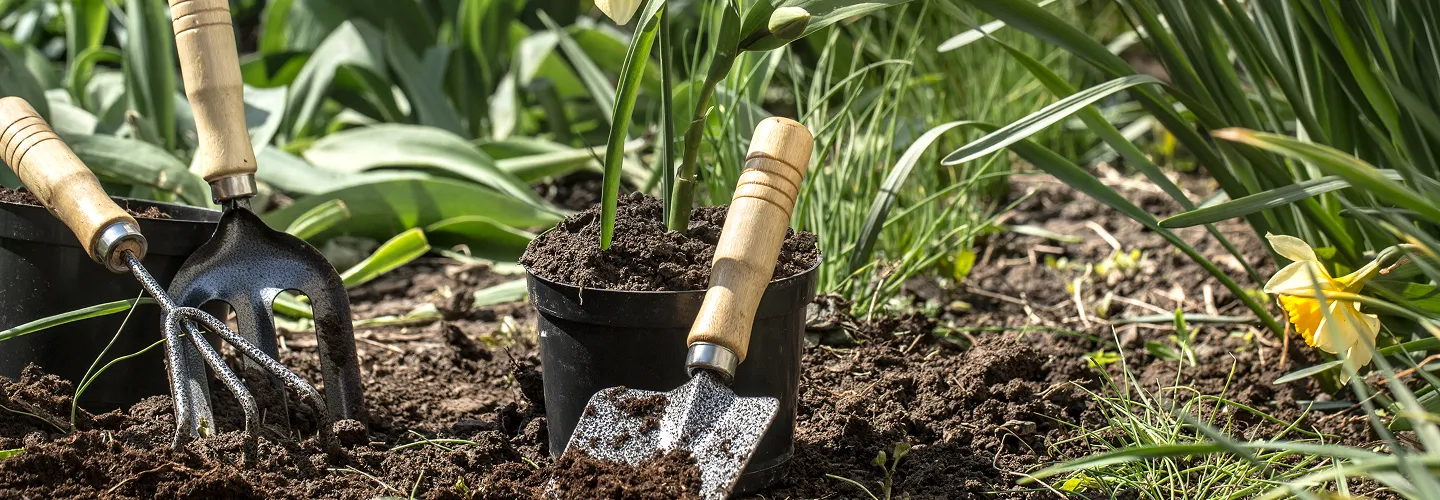
Blanco Plant Removal Services
With years of experience and a commitment to safety, our skilled team delivers fast, efficient, and eco-friendly plant removal services that protect your property and restore your landscape — so you can enjoy a cleaner, healthier outdoor space without the hassle.
Our Blanco Landscaping & Yard Care Services
When to Schedule Plant Removal in Blanco, Texas – Seasonal Guide
In Blanco, Texas, timing your plant removal is crucial for both the health of your landscape and the efficiency of the process. The region’s climate features hot, dry summers and mild winters, with the last frost typically occurring in early March and the first frost arriving in late November. This means the optimal windows for plant removal are late winter through early spring, and again in late fall, when plants are dormant and soil conditions are more manageable. Neighborhoods near Bindseil Park and along the Blanco River often experience unique microclimates, with increased humidity and shade coverage under mature oak canopies, which can affect the timing and methods used for plant removal.
Local environmental factors such as drought risk, heavy clay soils, and periodic flooding—especially in low-lying areas like River Road—should be considered when planning your project. Additionally, municipal guidelines and seasonal restrictions may apply, so it’s important to consult local resources like the Sudbury town website for up-to-date information on permits and best practices.
Local Factors to Consider for Plant Removal in Blanco
- Tree density and canopy coverage, especially in neighborhoods like Rockin’ J Ranch
- Terrain and soil type, including rocky hillsides and clay-heavy areas
- Seasonal precipitation patterns and drought risk
- Frost dates and plant dormancy periods
- Municipal restrictions or permit requirements
- Proximity to water sources such as the Blanco River
- Shade coverage from mature trees
By considering these local factors, you can ensure your plant removal project is both effective and environmentally responsible.
Benefits of Plant Removal in Blanco
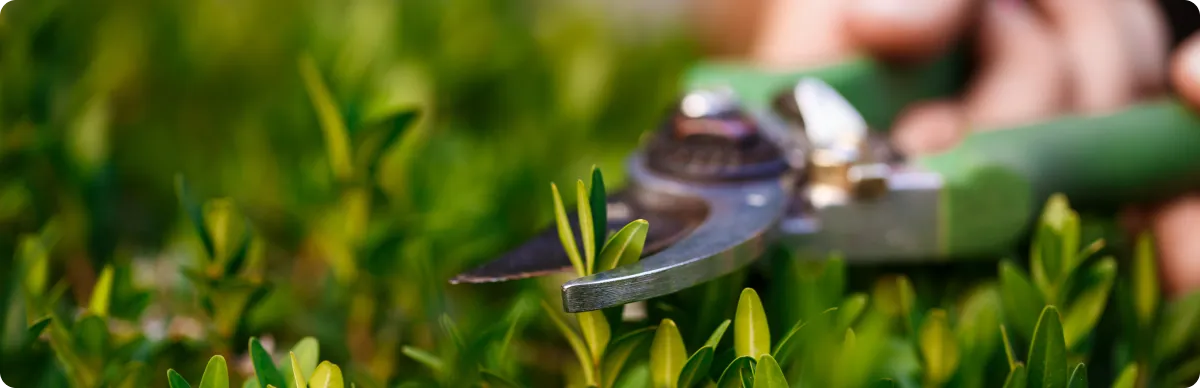
Professional & Safe Plant Removal
Improved Curb Appeal & Property Value
Healthier Landscape Growth
Fast & Efficient Service
Eco-Friendly Disposal Methods
Licensed & Insured Landscaping Experts
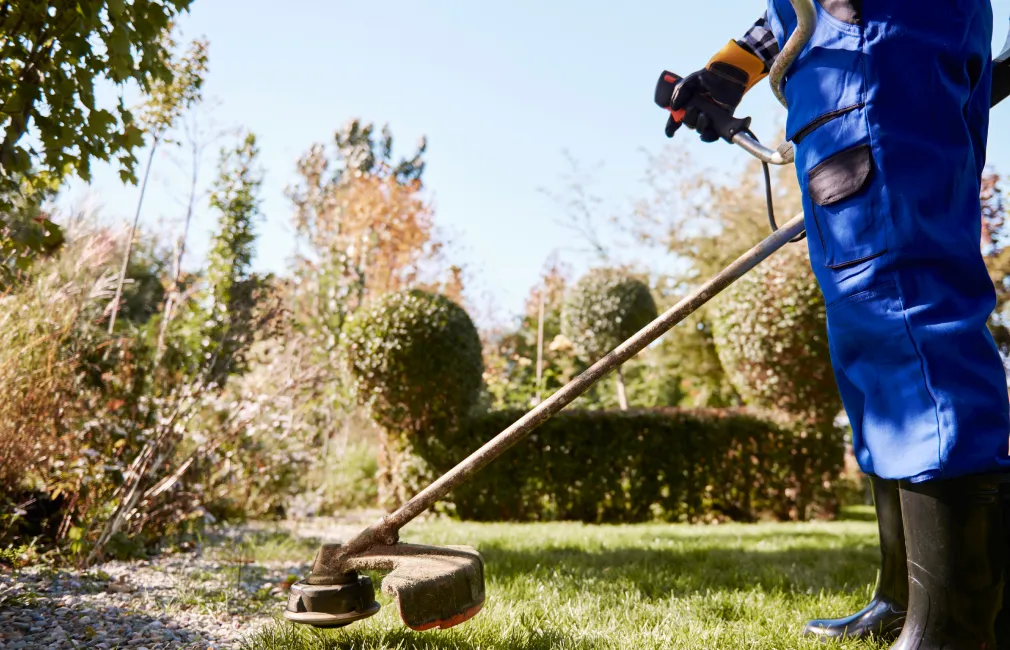
Blanco Plant Removal Types

Tree Removal
-
Shrub Removal
-
Stump Grinding & Removal
-
Invasive Species Removal
-
Hedge Removal
-
Root System Extraction
-
Overgrown Vegetation Clearing
Our Plant Removal Process
Site Evaluation
Plant Identification & Planning
Root System Assessment
Safe Plant Extraction
Soil Restoration
Cleanup & Disposal
Why Choose Blanco Landscape Services
Blanco Homeowners Trust Us
-
Years of Landscape Expertise
-
Competitive & Transparent Pricing
-
Licensed & Professional Team
-
100% Satisfaction Guarantee
-
Personalized Service for Every Property
-
Reliable & On-Time Service
-
Locally Owned & Operated in Blanco
Coordinating Plant Removal Disposal and Site Cleanup in Blanco, TX
Plant removal in Blanco requires coordination with municipal departments responsible for debris handling, right-of-way maintenance, and environmental protection along the Blanco River corridor. Property owners should verify current green waste disposal procedures with the city before beginning removal work, as organic debris from plant extraction—including root masses, stems, and soil—must be routed through approved channels rather than deposited in drainage ways or along creek banks.
Key coordination steps for plant removal in Blanco include:
- Confirming accepted materials and any bundling or container requirements for green waste through the Public Works and Utilities Department
- Ensuring removed vegetation is not staged in the public right-of-way without authorization from the Streets and Parks Division
- Reporting any plant removal that exposes bare soil near the Blanco River or its tributaries, where erosion control may be necessary
City of Blanco Public Works and Utilities
Official Website: City of Blanco Public Works and Utilities
City of Blanco Streets and Parks
Official Website: City of Blanco Streets and Parks
How Blanco's Hill Country Limestone and Heat Shape Plant Removal
Blanco sits in the Central Texas Hill Country within USDA Hardiness Zone 8b, where conditions directly influence how plant removal is planned and executed. The region's limestone-derived soils, extended summer heat, and variable rainfall create distinct challenges that differ substantially from other parts of the state.
- Shallow, alkaline soils over limestone bedrock: Root systems in Blanco often grow laterally rather than deeply, spreading across fractured limestone. Extraction may require specialized cutting tools when roots have penetrated rock crevices, and mechanical equipment can encounter subsurface stone unexpectedly.
- Prolonged summer heat exceeding 100°F: Exposed soil after plant removal dries rapidly and becomes vulnerable to wind erosion. Stabilization measures such as temporary mulch cover or erosion blankets should be applied promptly after extraction.
- Drought-to-flood rainfall cycles: Blanco County experiences intense storm events interspersed with extended dry periods. Bare ground left after removal is highly susceptible to sheet erosion during sudden downpours, particularly on sloped lots common throughout the Hill Country terrain.
- Caliche and calcium carbonate layers: Dense caliche deposits beneath the topsoil can complicate root extraction and may require mechanical breaking when plants have anchored into hardpan layers.
The USDA Web Soil Survey provides site-specific soil data for properties in Blanco County, which can help anticipate subsurface conditions before removal begins.
Navigating Blanco's Zoning and Environmental Compliance for Plant Removal
Plant removal projects in Blanco may intersect with municipal zoning provisions, stormwater protection requirements, and state-level environmental regulations. Property owners and contractors should review applicable rules before initiating work, particularly on parcels near waterways or within designated zoning overlays.
- Blanco's municipal zoning regulations may include provisions related to land clearing, screening vegetation, and site disturbance that affect how and where plants can be removed
- Any plant removal involving herbicide application to stumps or root zones requires compliance with Texas Agriculture Code, Chapter 76, and commercial applicators must hold valid credentials through the Texas Department of Agriculture's pesticide licensing program
- Removal work that disturbs soil near the Blanco River, Town Creek, or any drainage channel must account for stormwater quality obligations under the Clean Water Act, including sediment containment and prevention of debris discharge into waterways
- The Blanco-Pedernales Groundwater Conservation District should be consulted when removal activities involve significant soil disturbance in areas overlying the aquifer recharge zone
City of Blanco Community Development
Official Website: City of Blanco Community Development
Timing and Methods for Plant Removal in Blanco's Central Texas Climate
Professional plant removal in the Hill Country follows timing and technique standards shaped by the region's heat intensity, soil behavior, and seasonal growth patterns. Scheduling and method selection directly affect site recovery and environmental protection.
- Late fall through early spring is generally the preferred window for large-scale plant removal, as cooler temperatures reduce heat stress on workers, limit soil moisture loss from exposed ground, and allow stabilization before the spring storm season
- Root-zone extraction should account for the lateral root spread common in limestone soils; cutting roots flush with grade and treating invasive species stumps with approved herbicide prevents regrowth without unnecessary soil disturbance
- Invasive species such as Ligustrum, chinaberry, and King Ranch bluestem are common removal targets in the Blanco area and require complete root extraction or targeted chemical treatment to prevent re-establishment
- Site stabilization after removal should include temporary erosion control—such as straw mulch, erosion blankets, or native seed application—especially on slopes exceeding ten percent grade
- Debris segregation during removal separates woody material from soil and root mass, facilitating proper disposal routing and potential mulch recovery
The Texas A&M Forest Service provides identification resources for invasive woody species common in the Hill Country that may require specialized removal protocols.
What Neighborhoods Do We Serve Throughout Blanco, TX?
- Downtown Blanco / Blanco Square area: Older residential lots near the historic courthouse square often contain mature ornamental plantings and legacy trees, where plant removal requires careful work around established root zones and adjacent structures.
- Blanco River corridor properties: Homes along the Blanco River face heightened erosion and stormwater concerns during plant removal, requiring sediment control measures to protect riparian areas.
- Ranch Road 165 corridor: Properties along this corridor tend toward larger lots with mixed native and introduced vegetation, where removal of invasive species like Ligustrum is a recurring need.
- Highway 281 residential areas: Lots near the US-281 corridor experience reflected heat from pavement and may require prompt stabilization after plant removal to prevent wind-driven soil loss.
- Bindseil Park vicinity: Residential properties near the park and creek areas require attention to drainage flow and debris management during removal operations.
- Rural ETJ properties in Blanco County: Larger acreage parcels in Blanco's extraterritorial jurisdiction often involve cedar or brush removal at scale, with disposal logistics and fire-risk vegetation management as primary considerations.